

Most people plan to stay in their home as they get older. But wanting to age in place and being prepared for it are two very different things. Here is what it actually takes to make it work.
Last updated: June 2026
What Is Aging in Place?
Aging in place means staying in your own home and community as you get older, rather than moving to a senior living community or care facility. According to AARP‘s 2024 Home and Community Preferences Survey, 75% of adults 50 and older want to remain in their current home as they age. The challenge is that most homes were not built with aging in mind.
The U.S. Census Bureau found that only about 4 in 10 homes have even the most basic aging-ready features: a step-free entryway and a bedroom and full bathroom on the first floor. That gap between what people want and what their homes can actually support is exactly why planning ahead matters.
This guide covers the real picture of what aging in place involves, including the benefits, the challenges, what it costs, and seven concrete steps to plan for it before you need to.
of adults 50 and older want to remain in their home (AARP 2024)
U.S. homes have even the most basic aging-ready features (U.S. Census Bureau)
national median monthly cost of assisted living in 2025 (CareScout)
The Benefits of Aging in Place
There are a few reasons why staying home works well for a lot of people, and the biggest one is cost. The national median cost of assisted living is $6,200 per month. That is more than $74,000 a year. Home modifications, even significant ones, often cost far less than that over the same time period.
Independence matters just as much. Being in your own space, around your own things, close to the people you know. That is not a small thing. Older adults who remain in familiar environments tend to do better mentally and emotionally than those who move to institutional settings.
Staying home also means staying connected. Your neighborhood, your routines, your community. That continuity is worth protecting, and most people do not fully appreciate how much they rely on it until they no longer have it.
The Challenges of Aging in Place
Staying home as you get older is not a guarantee just because you want it. There are real challenges to think through before assuming it will work out on its own.
Your home may not be ready. Most homes have stairs, narrow doorways, and bathrooms that become harder to use over time. Making them work requires planning and sometimes real investment.
Isolation is a risk. If you stop driving, or if health changes limit your mobility, the gap between wanting to stay connected and actually staying connected can widen fast. A plan for transportation and social connection is just as important as a plan for grab bars.
Health needs change. What works at 70 may not work at 80. Managing medications, getting to appointments, and having help available when you need it all require systems that most people do not have in place until something goes wrong.
Caregiver availability is not guaranteed. Many people plan to rely on a spouse or adult child for help. That plan needs a backup. The Caregiver Resources guide covers how to build that broader network.
What Does Aging in Place Cost?
The cost depends almost entirely on where your home is starting from and what your needs are. Basic safety modifications (grab bars, non-slip surfaces, better lighting) might run a few hundred to a few thousand dollars. More significant projects like a walk-in shower, entrance ramp, or wider doorways cost more. If you need in-home care at some point, that adds ongoing costs: nationally, non-medical home care runs around $35 per hour.
The honest comparison is to the alternative. If assisted living runs $6,200 per month, even a $30,000 home renovation pays for itself in about five months. That math does not always favor staying home. But for most people in the early-to-mid stages of planning, the numbers favor staying put.
7 Essential Steps to Plan for Aging in Place
These are the areas that matter most, roughly in order of where to start. None of these require you to make every decision today. Think of them as a framework for getting ahead of the need, not a checklist to finish this weekend.
1Assess your home honestly. Walk through every room and identify anything that could become a hazard: stairs, bathroom layout, entryways, lighting, flooring. Most people are surprised by what they find. A Certified Aging-in-Place Specialist (CAPS contractor) can do a professional evaluation if you want a thorough read.
2Start with the bathroom. Falls are the leading cause of injury for older adults, and most happen in the bathroom. Grab bars, a walk-in shower, a non-slip floor, and a raised toilet seat are often the highest-impact changes you can make.
3Address the entrance. A step-free entry is one of the most important features for long-term accessibility. If your home does not have one, this is worth planning for early, before a walker or wheelchair is part of the picture.
4Think about the first floor. If your bedroom and a full bathroom are not on the main level, climbing stairs every day will become a bigger issue than most people expect. Consider what changes would make single-floor living possible.
5Build your support network. Know who can help with transportation, groceries, appointments, and daily tasks. Neighbors, community programs, and paid services all count. The network needs to exist before you need it.
6Plan the finances. Understand what you can afford, what your insurance covers, and whether long-term care insurance applies. The earlier you think about this, the more options you have.
7Talk to your doctor now. Your health today shapes what your home will need tomorrow. A proactive conversation about what to expect and what to plan for is far more useful than a reactive one after something has already changed.
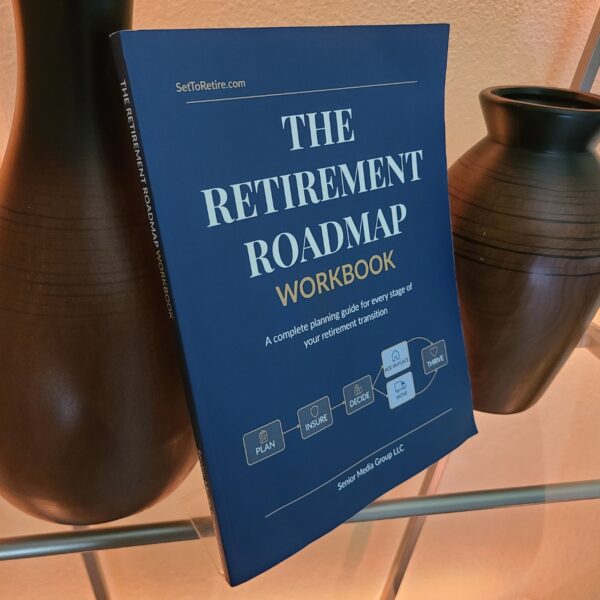
Work Through These 7 Steps on Paper
The Retirement Roadmap Workbook has a full Age-in-Place section built around this exact framework. It includes a room-by-room home safety walkthrough, a modification planning worksheet with real cost ranges, and a contractor tracking log so you can compare bids side by side before you hire anyone.
See the Workbook → $47 · 138 pages · softcover
When Aging in Place Stops Being the Right Choice
For most people, staying in their own home is the right plan. But it is not the right plan forever in every situation.
If care needs grow beyond what in-home support can realistically provide, or if cognitive decline makes living alone unsafe, the honest conversation shifts. That is not a failure. It is the plan working as it should. Knowing when to reassess is just as important as knowing how to plan.
The clearest signals are when someone cannot safely manage daily tasks even with help, when chronic health conditions require around-the-clock monitoring, or when isolation has become a serious concern. If you are working through these questions for a parent or spouse, the When Is It Time for Assisted Living? guide walks through the specific signs in detail.
If a move eventually becomes part of the picture, the Senior Living Options guide is a good overview of what is available and what each option actually involves.
Aging in Place: Key Takeaways
- 75% of adults 50 and older want to stay in their home, but most homes were not built for it
- The biggest challenges are home safety, isolation, changing health needs, and caregiver availability
- Even significant home modifications often cost far less than a year of assisted living
- The right time to plan is before a crisis, not during one
- Start with the bathroom, address the entrance, and build a support network before you need one
Frequently Asked Questions
What are the 4 pillars of aging in place?
Most frameworks for successful aging in place point to four areas: your health (managing it proactively, not after a crisis), your home (making it physically safe and accessible), your finances (having resources for modifications and ongoing care), and your support network (family, community, and professional help). Address all four and you have a plan. Miss one and you have a gap.
How much does aging in place cost?
It depends on your starting point. Basic safety upgrades (grab bars, better lighting, non-slip surfaces) can cost a few hundred to a few thousand dollars. More involved projects like a walk-in shower or an entrance ramp run higher. If in-home care is needed, national median rates run around $35 per hour. For context, assisted living runs $6,200 a month, so even large home modifications often pay for themselves quickly.
What are the problems with aging in place?
The biggest challenges are home readiness, isolation, and changing health needs. Most homes were not built to handle the physical changes that come with aging. Social connection gets harder as driving becomes limited, and managing medications and appointments requires systems most people do not have until something goes wrong. Addressing each of these before a crisis is what good planning looks like.
Does Medicare cover home modifications for aging in place?
Medicare does not pay for home modifications directly. Grab bars, ramps, and walk-in showers are not covered. However, Medicare Part B does cover occupational therapy, which includes a home evaluation to identify what you need. Some Medicare Advantage plans may cover limited modification costs, so it is worth checking your specific benefits.
At what point should someone stop aging in place?
The clearest signals are when someone cannot safely manage daily activities even with help, when cognitive decline creates genuine safety risks for living alone, or when the level of care needed is simply beyond what home-based support can provide. Most families wait longer than they should before having this conversation. If these questions are coming up, the When Is It Time for Assisted Living? guide walks through the specific signs in detail.
Free Download: Aging-in-Place Home Safety Checklist
Not sure where to start? Enter your email and we’ll send you this room-by-room checklist so you can spot what your home needs and fix it on your own timeline.
Continue Reading: Aging in Place Guides
Content on SetToRetire.com is researched and drafted with AI assistance, then reviewed and edited for accuracy by the editorial team at Senior Media Group LLC. It is provided for general informational purposes only and does not constitute medical, legal, or financial advice. Consult qualified professionals before making decisions. For more on how we create content, see our Editorial Process.