Home Modifications for Aging in Place
Most falls happen at home: in the bathroom, on the front steps, and in hallways where nothing was ever changed. The right home modifications for aging in place address the highest-risk spots before a fall forces your hand.
Last updated: June 2026
More than one in four adults over 65 falls each year, according to the CDC. For most people, the right home modifications for aging in place can significantly cut that risk. Many of the most effective changes cost under $500.
This guide covers the modifications that matter most, what they cost, and how to get help paying for them. For a broader look at what aging in place actually involves, including the planning steps and honest tradeoffs, see our full guide to aging in place.
You don’t have to update your entire home at once. Most people start with the bathroom and the front entrance, then work outward over time. Those two areas account for the majority of falls in the home, so that’s where your money and effort will do the most good.
Home Modifications for Aging in Place: Where to Start
The most common mistake people make with home modifications for aging in place is waiting. The plan is to get to it when things get harder. But by then, a fall has often already happened, and the decisions are being made in a hurry instead of on your own terms.
Start with a room-by-room walkthrough and look for hazards with fresh eyes. Loose rugs, bathrooms without grab bars, stairs with handrails on only one side, dim hallways, and door hardware that requires a tight grip are the most common problems. Most people find more than they expected.
If you want a professional assessment, a Certified Aging-in-Place Specialist (CAPS) is trained to evaluate homes for aging-related risks and help you prioritize what to address first. We’ll cover that more in the FAQ below.
Two areas should get your attention before anything else: the bathroom and your main entryway. Falls happen in both places more than anywhere else in the home.
7 Home Modifications Worth Making
- Which rooms and changes to prioritize first
- Room-by-room breakdown of what to do and what it costs
- A cost table showing what specific modifications actually run
- Grants, loans, and programs that help cover the cost
- When to bring in a specialist vs. handling it yourself
The Bathroom: Your Most Important Room
The bathroom is where most in-home falls happen. Hard surfaces, wet floors, and the awkward positions required for bathing and using the toilet make it genuinely risky. The good news is that the most effective bathroom changes are also among the least expensive.
Grab bars are the single highest-impact change you can make. Install them next to the toilet and inside the shower or tub. A professionally installed grab bar typically runs $90 to $300 per bar, according to Fixr.
That’s a small number for something that can prevent a hip fracture. Make sure they’re anchored into wall studs, not just drywall.
A hand-held showerhead is another fast upgrade. It lets you bathe seated if needed and reduces the need to twist and reach under the spray. They’re available at any hardware store and can be installed without a plumber.
If you want to go further, a curbless (zero-threshold) shower eliminates the step over the tub ledge that causes a large share of bathroom falls. Converting to a curbless shower typically runs $2,500 to $9,000. A comfort-height toilet, which sits about 2 to 3 inches taller than standard, makes sitting down and standing up much easier. Installed costs run $100 to $1,600.
If you’re planning a full bathroom overhaul rather than a few targeted fixes, our guide to accessible bathroom remodels walks through doorway width, walk-in tub versus roll-in shower costs, and what a complete remodel runs.
Entryways, Stairs, and Getting Around Outside
Your front entrance is the second-highest fall risk area around the home. Uneven pavement, steps without handrails, and dim outdoor lighting all add up. These changes are worth making early, because they also affect anyone else who visits your home.
If your front entrance has steps, make sure there are handrails on both sides, not just one. According to Fixr, handrails on both sides of an exterior staircase typically cost $700 to $1,200 to install. If those steps will eventually become a real barrier, a permanent ramp runs $1,400 to $3,000 depending on length and materials.
Doorway width matters if a walker or wheelchair is in your future. Most mobility aids need at least 32 to 36 inches of clearance. Widening a doorway costs $300 to $2,500 per door.
While you’re thinking about doors, replace round knobs with lever-style handles. They’re much easier to operate with arthritic hands or when your arms are full. Replacing hardware throughout the home typically runs $150 to $350. Outdoor sensor lighting costs $300 to $400 to install and reduces fall risk significantly at night.
If your home has interior stairs and you plan to stay long-term, it’s worth thinking about a stair lift before you actually need one. Installation on a straight staircase typically costs $4,000 to $8,000. Planning for it now is far less stressful than deciding in a crisis.
Kitchen, Bedroom, and Flooring Changes Worth Making
These areas are lower priority than the bathroom and entrance, but they still carry real fall risk. Most of the changes are also less expensive and less disruptive.
In the kitchen, the highest-impact low-cost changes are switching cabinet and drawer hardware to D-ring pulls or lever handles ($150 to $350 for the whole kitchen), adding under-cabinet lighting to brighten work surfaces, and moving frequently used items to counter height so you’re not reaching overhead or bending toward the floor. Pull-out shelves in lower cabinets are worth adding whenever you do any kitchen updating.
In the bedroom, remove loose rugs and make sure the path from the bed to the bathroom is lit at night. Motion-sensor nightlights are inexpensive and widely available, and they can prevent a fall in the dark. Bed height matters too: your feet should rest flat on the floor when you sit on the edge of the bed.
If the bed is too high or too low, adjustable bed legs or a simple bed riser fix the problem inexpensively. One change families often overlook: moving the main bedroom to the first floor. That single decision can extend your time in the home by years.
Flooring deserves attention throughout the house. Loose rugs are the simplest fix: remove them or replace them with versions secured by non-slip gripper pads. High-pile carpet, polished hardwood, and slick tile are all fall risks.
When replacing flooring, choose textured, slip-resistant surfaces. At transitions between rooms or floor types, a contrasting strip or dark rubber tread helps your eyes register the height change before your feet have to.
What Home Modifications for Aging in Place Actually Cost
You don’t need a $50,000 renovation to make your home meaningfully safer. Many of the highest-impact changes cost a few hundred dollars. Scope and your home’s existing conditions drive costs in both directions, but this table gives you a realistic starting point.
All figures below are national averages from Fixr. Costs in high cost-of-living areas will run higher; rural areas may run lower.
| Modification | Typical Cost Range |
|---|---|
| Grab bars (installed, per bar) | $90-$300 |
| Anti-scald temperature controls | $80-$300 |
| Comfort-height toilet (installed) | $100-$1,600 |
| Lever-style door handles (whole home) | $150-$350 |
| Outdoor sensor lighting | $300-$400 |
| Door widening (per door) | $300-$2,500 |
| Exterior handrails (both sides of steps) | $700-$1,200 |
| Entrance ramp | $1,400-$3,000 |
| Curbless shower conversion | $2,500-$9,000 |
| Stair lift (straight staircase) | $4,000-$8,000 |
| Non-slip bathroom flooring | $4,500-$8,000 |
| Full bathroom renovation | $3,000-$25,000 |
The national average for a full aging-in-place remodel across multiple rooms is about $9,500. Most homeowners spending in that range are doing a bathroom renovation that includes a curbless shower, grab bars, and non-slip flooring.
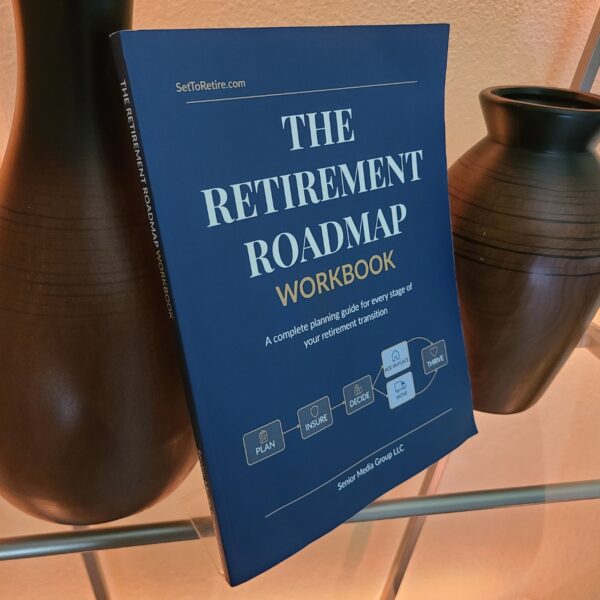
Track Your Own Numbers as You Go
The Retirement Roadmap Workbook includes a Modification Planning worksheet with space to log what each room needs, your target start date, and a full cost reference page to check against contractor quotes.
See the Workbook → $47 · 138 pages · softcover
Programs and Grants That Help Pay for Home Modifications
Financial help exists for home modifications for aging in place, and most people don’t know about it until someone points them toward it. Here are the main programs worth knowing.
Area Agency on Aging. Your local Area Agency on Aging is the first call to make. Some offer minor home repair grants directly. Find yours at Eldercare Locator to connect with local programs and contractors who work with older homeowners at reduced cost.
HUD Title I Property Improvement Loans. The federal Title I program backs home improvement loans through approved lenders, including modifications for accessibility. These are loans, not grants, but they carry more favorable terms than a standard home improvement loan. Details at HUD.gov.
VA Disability Housing Grants. Veterans with service-connected disabilities may qualify for a Specially Adapted Housing (SAH) grant or Special Home Adaptation (SHA) grant to modify their home. These are grants, not loans. Current amounts and eligibility are at VA.gov.
USDA Section 504 Home Repair Program. This program offers grants for rural homeowners age 62 and older with very low incomes. Grants can be used for accessibility modifications that remove health and safety hazards. Search “USDA Section 504 Home Repair” to find the current program page and income eligibility limits in your state.
Frequently Asked Questions
Can home modifications for aging in place increase my home’s value?
Some modifications add real resale value, particularly those that serve a broad range of buyers. Wider doorways, lever handles, and a curbless shower are increasingly standard in new construction and hold up well in most markets. Highly specialized changes like ceiling lifts tend not to translate to resale value. An SRES-certified real estate agent can tell you which modifications are most valued where you live.
Can I deduct home modifications for aging in place on my taxes?
Sometimes. Under IRS Publication 502, accessibility modifications may qualify as a medical expense deduction if a licensed healthcare provider prescribes them to treat or prevent a specific condition. If the modification also increases your home’s market value, only the portion of the cost above that increase is deductible. A tax professional can help you determine which modifications qualify and how to document them.
What home modifications matter most for preventing falls?
Grab bars in the bathroom, good lighting in hallways and near stairs, and removing loose rugs. Those three changes address the majority of home fall hazards. If you can only do a few things, the bathroom is where to start. Most in-home falls happen during bathing or when getting on and off the toilet, and grab bars address both situations directly.
Do I need a specialist contractor for home modifications for aging in place?
Not always. Removing rugs, installing lever handles, or adding grab bars can often be handled by a general handyman or confident DIYer. Structural work like widening doorways, adding a ramp, or converting a tub to a curbless shower is better left to a licensed contractor with accessibility experience. For a full home assessment and a prioritized plan, a Certified Aging-in-Place Specialist (CAPS) is the right call. We’ll have a dedicated guide to finding and working with a CAPS contractor coming soon.
Most people who make these changes won’t remember a specific fall they avoided. That’s the point. The outcome you’re working toward isn’t a dramatic rescue story. It’s just a regular Tuesday, a year from now, where nothing bad happened and you’re still in your home.
Free Download: Aging-in-Place Home Safety Checklist
Not sure where to start? Enter your email and we’ll send you this room-by-room checklist so you can spot what your home needs and fix it on your own timeline.
Continue Reading: Aging in Place Guides
Content on SetToRetire.com is researched and drafted with AI assistance, then reviewed and edited for accuracy by the editorial team at Senior Media Group LLC. It is provided for general informational purposes only and does not constitute medical, legal, or financial advice. Consult qualified professionals before making decisions. For more on how we create content, see our Editorial Proc