Most families ask “when is it time for assisted living?” after a fall, a frightening phone call, or a hospitalization that could have been prevented. This guide covers 8 honest signs to watch for, a simple way to assess where things actually stand, and what to do when your parent refuses to even consider it.
Last updated: May 2026
When Is It Time for Assisted Living?
When is it time for assisted living? It is the question most families are already asking privately for months before they say it out loud. The answer is rarely a single moment. More often it is a slow accumulation: a missed medication, a skipped shower, a concerning phone call. Until one day you realize you are not asking “is it time?” anymore. You are asking “how much longer can we wait?”
The honest answer is that by the time most families are asking seriously, it often already is time. Families who plan ahead (touring communities before it is urgent, having the conversation while everyone is calm) almost always report better outcomes than families who wait for a crisis to force the decision. That window between “we should probably think about this” and “we have 48 hours to figure this out” is where your options live. Waiting too long closes doors.
One more thing before the list. Most of what you will find online about when is it time for assisted living comes from companies with a financial stake in your answer: assisted living communities trying to fill beds, or placement agencies that earn a referral fee when you sign a lease. This guide has no financial stake in your decision. We will tell you the signs it is time, and the signs it might not be yet.
8 Signs It’s Time for Assisted Living
- Daily personal care is being neglected
- There has been a fall or a near-miss
- Medication management has broken down
- Nutrition and meal preparation have suffered
- Isolation and loneliness are increasing
- Cognitive changes are affecting safety
- The home environment has become unsafe or unmanageable
- Family caregivers are reaching their limit
What Assisted Living Actually Provides
Before assessing the signs, it helps to be clear about what assisted living is and what it is not.
Assisted living is a residential care setting for people who need help with daily activities but do not require the around-the-clock medical care of a skilled nursing facility. Most communities provide help with bathing, dressing, and grooming; medication management and reminders; three meals a day in a communal dining room; housekeeping and laundry; social activities, outings, and programming; 24-hour staff on site for safety and assistance; and transportation to appointments.
This is not a nursing home. Most assisted living residents are mobile, socially engaged, and living full daily lives, with a level of support that makes that possible. If your parent is imagining a hospital ward, a tour of a modern community often changes the conversation entirely.
Not sure which type of senior living fits your situation? Our Senior Living Options guide compares independent living, assisted living, memory care, skilled nursing, and CCRCs, with cost data and a simple decision framework.
8 Signs It’s Time for Assisted Living
No single sign answers the question of when is it time for assisted living on its own. But if you are seeing several of these consistently, it is worth having an honest conversation, ideally before a fall or a hospitalization makes the decision for you.
1 Daily personal care is being neglected
When a parent who previously took pride in their appearance starts showing signs of poor hygiene (unwashed hair, unchanged clothing, body odor, an unkempt living space), it is rarely a choice. More often it reflects that bathing, dressing, and grooming have become physically or cognitively difficult to manage alone.
This is one of the clearest indicators that daily hands-on help would make a meaningful difference in quality of life.
2 There has been a fall, or a near-miss
Falls are the leading cause of injury-related death among adults 65 and older. According to the CDC, one fall significantly increases the risk of another. A parent who has fallen, or who you have noticed gripping walls, shuffling carefully, or avoiding stairs, is living with fall risk every single day.
Assisted living communities are designed with safety in mind: grab bars, non-slip flooring, staff present on every shift, and emergency call systems throughout. For someone with real fall risk, that physical environment is not a nicety. It can be life-saving.
3 Medication management has broken down
Managing multiple medications correctly is genuinely complex. Getting the right drug, right dose, and right timing right every day is hard. For someone managing 5, 8, or 10 medications, errors are easy to make and can be serious.
If you are finding pill bottles with skipped doses, medications being doubled up, or prescriptions going unfilled, the risk is real. Medication errors are a leading cause of hospitalization among older adults. Assisted living staff handle medication management as a core part of their job. It is not an add-on.
4 Nutrition and meal preparation have suffered
Check the refrigerator on your next visit. Is there spoiled food that has not been thrown out? Is your parent eating the same limited items repeatedly? Have they lost noticeable weight? Are they skipping meals because cooking has become too much?
Poor nutrition accelerates cognitive decline, weakens the immune system, and reduces energy and mood. Assisted living removes the daily burden of meal planning, grocery shopping, and cooking entirely. Three meals a day come from the dining room, prepared by staff.
5 Isolation and loneliness are increasing
Social isolation is one of the strongest predictors of cognitive decline in older adults. A parent who has stopped seeing friends, rarely leaves the house, and spends most of their day alone is at measurably higher risk for depression, dementia, and overall health decline.
This sign is often underweighted by families because it does not feel like a medical emergency. But chronic loneliness has real health consequences. Assisted living’s built-in community, shared meals, and daily activities address it directly, in a way that a home environment simply cannot, especially for someone who can no longer drive.
6 Cognitive changes are affecting safety
Memory loss and cognitive decline exist on a spectrum. Not every parent with memory issues needs memory care. But when cognitive changes start affecting safety, the situation changes.
Red flags include leaving the stove on, getting lost while driving familiar routes, forgetting to lock doors, letting strangers into the home, or being unable to remember to call for help in an emergency. If a formal dementia diagnosis has been made, it is worth asking the physician about the appropriate level of care now, before a crisis makes the decision for you.
7 The home environment has become unsafe or unmanageable
The family home may have served your parent well for decades. But a two-story house with a bathtub and no grab bars, a yard that needs maintenance, and stairs to the second floor can become real hazards as mobility declines.
If maintaining the home has become physically impossible, if clutter or disrepair has become a safety issue, or if the physical layout no longer fits your parent’s current mobility, a move may significantly improve both safety and day-to-day quality of life.
8 Family caregivers are reaching their limit
Caregiver burnout is real, common, and serious. If you or another family member has taken on increasing caregiving responsibilities (managing medications, providing personal care, monitoring safety) and is showing signs of exhaustion, resentment, or an inability to maintain your own work and life, that is a signal worth taking seriously.
Moving a parent to assisted living is not abandonment. It is often the decision that preserves the relationship, allowing family members to show up as loving family rather than arriving exhausted as on-duty caregivers. Assisted living staff are trained professionals whose entire job is exactly this kind of care. Handing that responsibility to them is not failure. It is sound judgment.
A Simple Way to Assess Where Things Stand
If you are still trying to work out when is it time for assisted living for your parent’s specific situation, this table can help you organize your thinking before talking with a physician or touring communities.
Personal Care
Ask: Can they bathe, dress, and groom independently?
Red flag: Consistent hygiene neglect
Mobility & Safety
Ask: Any recent falls? Do they move confidently?
Red flag: Fall history or significant fall risk
Medications
Ask: Are medications being taken correctly?
Red flag: Missed doses, errors, or hospitalizations
Nutrition
Ask: Are they eating regular, adequate meals?
Red flag: Weight loss, skipped meals, spoiled food in the fridge
Social Connection
Ask: How often do they interact with other people?
Red flag: Prolonged isolation or withdrawal
Cognition
Ask: Any memory loss affecting daily safety?
Red flag: Stove left on, getting lost, confusion about familiar things
Home Environment
Ask: Is the home safe and manageable?
Red flag: Clutter, disrepair, or an unsafe physical layout
Caregiver Capacity
Ask: Is the current care arrangement sustainable?
Red flag: Caregiver burnout or safety gaps
If you marked red flags in three or more areas, the answer to when is it time for assisted living is: probably soon. Not as an emergency, but as a planned next step while you still have time to choose well.
Turn the Signs Into a Decision
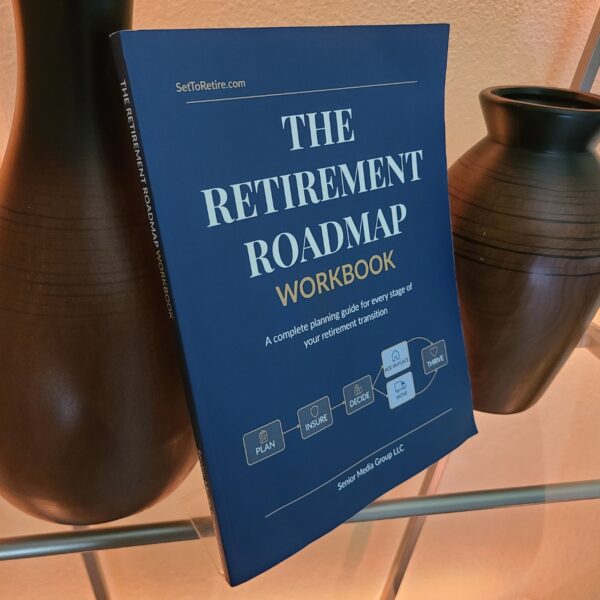
The workbook’s Stay vs. Move Decision Matrix (Step 3-B) takes an assessment like the one above and turns it into a weighted score: ten factors, rated on what matters most to you and how each path measures up, so the answer is a number you can point to, not just a feeling.
See the Workbook → $47 · 138 pages · softcover
Signs It Might Not Be Time Yet
Most of what you will find online about when is it time for assisted living focuses only on the signs that it is. But this question has two sides, and an honest guide has to cover both.
If most of the following are true, a move may not be the right call right now:
- Your parent can safely manage most daily activities, with only occasional help from you or a part-time caregiver
- They have a strong social life and regular community connections at home: church, neighbors, friends who visit
- Home modifications or in-home care can realistically address the current safety concerns
- Their doctor agrees the home setting is still medically appropriate for their current condition
- The pressure you feel is mostly about your own scheduling and worry, not genuine safety gaps
In-home care is a real middle option for many families. A few hours of professional help each day or several days a week can make a real difference before a full-time care setting becomes necessary. It is not always a long-term solution, but it can buy meaningful time and keep your parent in a familiar environment while things are still manageable.
Considering in-home care first? Find in-home healthcare providers near you on MovingToSeniorLiving.com, a free directory of senior care professionals.
When Your Parent Refuses
Even when the signs are clear, many parents refuse to consider assisted living. This is extremely common and almost always driven by fear rather than denial.
What parents are usually afraid of: losing independence, losing the home they have lived in for decades, losing their sense of who they are. Many people grew up with images of nursing homes that bear no resemblance to modern assisted living. Some feel that agreeing to a move is giving up. Others do not want to feel like a burden, so they minimize how hard things have actually gotten.
A few things that tend to help:
✓Do not make it a confrontation. “I want to make sure you’re living the way you want to live” lands very differently than “I’m worried about you.” One focuses on their wishes. The other can feel like criticism.
✓Bring in the doctor. A recommendation from a physician carries different weight than one from an adult child. Ask the doctor to address the care level question directly at the next appointment.
✓Take a tour with no pressure. Letting your parent see a modern, well-run community before any decision is made often changes the conversation entirely. Frame it as research, not a plan.
✓Give it time. Most families have this conversation three or four times before anything shifts. Plant the seed, then give it room. Pushing too hard too fast tends to harden resistance rather than soften it.
✓Focus on what they gain, not what they give up. Community, activities, meals, safety, not having to manage a house. The trade-off looks different when you frame it that way.
For a more detailed guide on approaching this conversation, including how to handle specific objections, see our full post: How to Talk to Parents About Assisted Living.
Frequently Asked Questions
What is the biggest drawback of assisted living?
Cost is the most common concern. Assisted living nationally runs a median of around $6,200 per month based on 2025 cost data, and most of that is paid out of pocket since Medicare does not cover it. The other significant drawback is leaving a familiar home, which can be emotionally hard even when the move is clearly the right decision. Most residents adjust within the first few months as they build friendships and settle into the community’s rhythm. But the transition itself is real, and it is worth acknowledging that.
What’s the average age to move into assisted living?
Most people move into assisted living somewhere in their late 70s to early 80s, though the right time depends far more on the individual’s functional needs and safety situation than on age. Some people enter in their late 60s following a health event. Others manage well at home into their 90s. Age is a data point, not a trigger. The 8 signs in this guide are a more reliable indicator than any number.
What’s the difference between assisted living and a nursing home?
Assisted living provides help with daily activities (bathing, dressing, medications, meals) in a residential setting with social programming and a meaningful degree of independence. A nursing home (skilled nursing facility) provides around-the-clock medical care for people with significant health needs: wound care, IV therapy, rehabilitation, and complex medication management. Assisted living residents are generally more mobile and independent than nursing home residents. Modern assisted living often looks and feels much more like an apartment community than a medical facility, which surprises a lot of families on their first tour.
Can someone with dementia live in assisted living?
It depends on the stage and specific symptoms. Many assisted living communities can accommodate residents in the early to moderate stages of dementia, particularly when the primary needs are supervision and daily living assistance. Residents who wander, have significant behavioral symptoms, or require a secured environment typically need memory care, a specialized form of assisted living with secure units and staff trained specifically in dementia care. Ask each community directly about their dementia capabilities and at what point they would require a transfer to a higher level of care.
Does Medicare pay for assisted living?
Medicare does not cover custodial care, which is the help with bathing, dressing, and daily living that makes up most of what assisted living provides. Medicare may cover a short-term skilled nursing stay after a qualifying hospitalization, but it does not cover ongoing assisted living. Medicaid may cover some assisted living costs for people who qualify financially, though this varies significantly by state. Most assisted living is funded privately through savings, long-term care insurance, home sale proceeds, or a reverse mortgage. For more on how Medicare works, see our guide: Medicare Parts Explained.
📋 Free Download: Senior Living Transition Checklist
Not sure where to start? Enter your email and we’ll send this checklist straight to your inbox.
Continue Reading
Content on SetToRetire.com is researched and drafted with AI assistance, then reviewed and edited for accuracy by the editorial team at Senior Media Group LLC. It is provided for general informational purposes only and does not constitute medical, legal, or financial advice. Consult qualified professionals before making decisions. For more on how we create content, see our Editorial Process.