

The best downsizing tips for seniors have one thing in common: they give you a system before you open a single drawer. This room-by-room checklist walks you through every space in your home, helping you decide what to keep, donate, sell, or toss with clarity instead of under pressure on moving week.
Find Downsizing Help Near You →Free Printable: Room-by-Room Downsizing Checklist for Seniors
Enter your email and we’ll send it to your inbox instantly.
Last updated: May 2026
Before You Start: Two Questions That Shape Every Decision
The reason most people find downsizing overwhelming isn’t the physical work. It’s the sheer number of decisions required before a single box gets packed. When you’re staring at 40 years of belongings in a four-bedroom house, every item feels like a question you’re not ready to answer. The best downsizing tips for seniors are the ones that reduce the number of individual decisions you have to make by giving you a framework before you start.
Anchor yourself to these two questions before opening a single closet:
✓How much space do I have in my new home? Get the floor plan or actual room measurements before sorting anything. Every “keep” decision should be tested against real available space, not against how you feel about the item.
✓Is this item worth the cost of moving it? Professional movers charge by weight and distance. Sometimes it costs more to move a piece of furniture than to sell it and replace it at the destination. That’s not a sentimental question. It’s a math question.
New to the downsizing process? Our Complete Downsizing Guide walks through the full process from decision to move-in day, including timelines, costs, and how to get the whole family involved.
Read Downsizing for Seniors →How to Use This Checklist
Work through one room at a time. In each room, sort every item into one of four categories:
Move at the pace that works for your family. Many people work through one room at a time until every space is sorted. Others prefer to tackle it in a focused weekend with adult children helping. What matters is committing to the system before you start, not the speed.
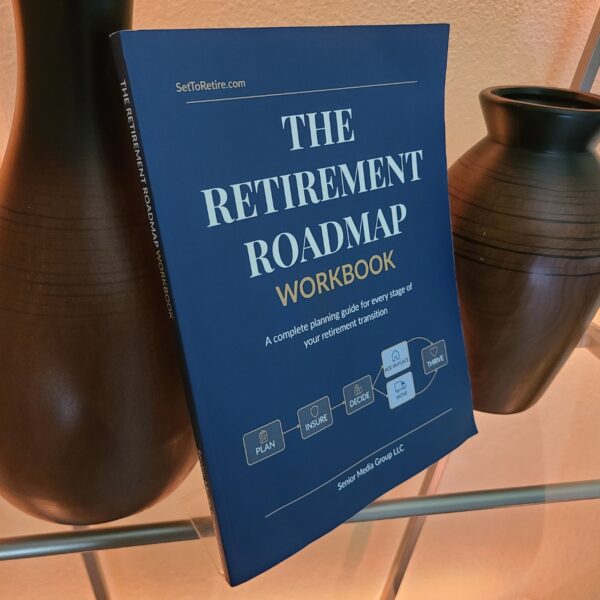
A Room-by-Room Tracker You Can Write In
The workbook’s Step 4B (Move) section includes a fuller version of this exact system, a room-by-room decluttering tracker with space to mark Keep, Sell, Donate, or Discard for every item, plus an estate sale vs. donation decision guide.
See the Workbook → $47 · 138 pages · softcover
Downsizing Tips for Seniors: The Complete Room-by-Room Checklist
The downsizing tips for seniors that save the most time are specific ones. Generic advice like “declutter before you move” doesn’t help when you’re standing in a kitchen with 30 years of accumulated tools and appliances. Use this room-by-room checklist to work through every space methodically.
Living Room
The living room usually holds the most sentimental and oversized items. Measure your new living space before making any “keep” decisions here. A sectional that fills your current room will overwhelm a smaller one.
- Sofa and loveseat: measure doorways AND floor space
- Armchairs and recliners: keep only what fits
- Coffee and end tables
- Entertainment center or TV console
- Area rugs: check size for new floors
- Bookcases and shelving units
- Books: keep favorites; donate the rest
- DVDs, CDs, VHS tapes: most content is now streaming
- Decorative items and collectibles: curate ruthlessly
- Framed photos and artwork
- Lamps and lighting fixtures
- Electronics: keep only what you use
Kitchen & Dining Room
Most people have far more kitchen equipment than they use. Right-size your kitchen to what you cook today, not what you cooked when the kids were home every night.
- Dishes and place settings: how many do you host?
- Fine china: offer to family first, then donate
- Glassware: pare down to what you use weekly
- Pots and pans: keep your daily rotation only
- Baking sheets and casserole dishes
- Small appliances: keep only regularly used items
- Specialty gadgets: sell if unused for 2+ years
- Utensils and kitchen tools: most households have 3x too many
- Pantry items and spices: toss expired items
- Cleaning supplies: don’t move what you don’t need
- Dining table and chairs: measure new dining area first
- Cookbooks: keep favorites; most recipes are now online
Master Bedroom
Bedrooms accumulate decades of clothing, linens, and personal items. Budget extra time here, and consider involving a trusted family member for emotional support during sorting.
- Bed frame and mattress: confirm size compatibility
- Dressers and nightstands: measure new bedroom first
- Armoire or wardrobe: large pieces may not fit smaller rooms
- Clothing: if unworn in 12 months, let it go
- Shoes: keep what you wear regularly
- Linens and bedding: keep 2 sets per bed; donate extras
- Extra pillows and blankets: pare down significantly
- Jewelry: document valuable items for insurance
- Personal care products: toss expired items
- Mirrors and vanity items: measure available wall space
Guest Bedroom(s)
Guest rooms often become storage rooms over the years. Be realistic about how often you have overnight guests and what your new home can accommodate.
- Guest bed: does your new home have space for a guest room?
- Guest linens: keep only what matches your actual guest frequency
- Dressers or storage furniture in guest rooms
- Stored holiday decorations and boxes
- Old children’s belongings: schedule a family pickup day
- Folding cots and air mattresses: keep one; multiple is rarely needed
Ready to find local help? These are professionals who help you sort, sell, donate, and move at your own pace, and they specialize in senior transitions.
Find Downsizing Specialists Near You →Bathrooms
Bathrooms are usually the fastest room to downsize. But they hold a surprising number of expired products that have quietly accumulated over the years.
- Medications: toss expired; don’t move what you don’t use
- Vitamins and supplements: check expiration dates
- Personal care products: toss old or rarely used items
- Towels and washcloths: keep 2–3 sets; donate extras
- Hair care tools: keep what you use daily
- First aid supplies: consolidate; toss expired items
- Cleaning supplies: start fresh at new home
- Bath mats and shower curtains: measure new bathroom first
Home Office & Study
The home office holds one of the most important categories in the entire house: financial and legal documents. Handle this room with extra care, and do it early, before the rest of the move creates chaos.
- Important documents: locate and secure first (see tip below)
- Tax returns: keep 3–7 years; shred older ones securely
- Office furniture: measure new space first
- Computer and printer: recycle old hardware responsibly
- Office supplies: pare down to one reasonable set
- Files and paperwork: shred what’s no longer needed
- Books: keep what you still use; donate the rest
- Cords and cables: discard anything you can’t identify
Don’t have an up-to-date estate plan? Find an estate planning attorney near you to get these documents in order before your move.
Garage & Storage Areas
For most households, the garage is where the bulk of the work happens. It holds the most “someday” items and requires the most honest decision-making. Give this room a full day, not an afternoon.
- Tools: keep only what you’ll have space and need for
- Lawn and garden equipment: may not be needed in new home
- Holiday decorations: keep most-used traditions only
- Seasonal items: be realistic about future use
- Sports equipment: sell or donate if unused 2+ years
- Bicycles and recreational vehicles: consider new home’s space
- Old paint and chemicals: do NOT move hazardous materials
- Storage bins and boxes: open and decide; don’t move unopened boxes
Attic, Basement & Storage Units
These spaces hold items nobody has seen in years, and often the hardest decisions of the entire process. Build in extra time here, and don’t try to tackle it alone.
- Family heirlooms: photograph before dispersing; offer to family first
- Children’s items: return to owners; schedule a pickup day
- Old photos and albums: scan before donating
- Seasonal décor beyond what you’ve already curated
- Furniture in storage: sell or donate; don’t pay to move unused items
- Old appliances: donate if working; recycle if not
- Boxes never opened since last move: if you haven’t needed it, let it go
- Sentimental items: limit to one meaningful box per person
What Not to Do When Downsizing
Most downsizing tips for seniors focus on what to do. But the mistakes families make are just as predictable as the right moves, and they’re worth naming specifically.
✓Don’t start without measurements of the new space. This is the single most common and costly mistake. People keep furniture they love, move it across town, and discover it doesn’t fit. Measure the new home first. Every “keep” decision for furniture should be conditional on the numbers working out.
✓Don’t let guilt drive keep decisions. Items that belonged to a parent, a spouse, or a child carry emotional weight that has nothing to do with whether you need the item or whether it will fit in your new home. Keeping something out of guilt doesn’t honor the relationship. It just transfers the burden to the next move.
✓Don’t buy organizing bins before you’ve sorted. This is the “Pinterest trap.” You don’t know how much you’re keeping yet, so you don’t know how much storage you need. Sort first. Buy only after you know what you’re working with.
✓Don’t move boxes you haven’t opened. If you packed something in a box during a previous move and never unpacked it, you don’t need it. Open the box, confirm there’s nothing critical in it, and donate or discard it.
✓Don’t try to manage an estate sale yourself. An estate sale company typically takes 25–50% of gross proceeds (per EstateSales.org), but they price correctly, advertise, manage strangers in your home, and handle the entire process. For a home with significant furniture and collectibles, the time and stress savings are worth every percentage point.
✓Don’t wait until right before the move to start. Families who start late rush through the process and almost always report regret about it afterward. Starting early gives you time to make thoughtful decisions, give family members a chance to claim items, and schedule donation pickups, which often book up in advance.
What to Do With What You’re Not Keeping
♥ Donate
Best options: Habitat for Humanity ReStore, Goodwill, Vietnam Veterans of America (free pickup)
Many charities offer free furniture pickup. Schedule early. Popular charities fill weeks in advance.
$ Sell
Best options: Facebook Marketplace, estate sale company, auction house
An estate sale company takes 25–50% of gross proceeds (per EstateSales.org) but handles everything. Worth it for homes with significant furniture or collectibles.
Junk Removal
Best options: Local junk removal services, dumpster rental, bulk trash pickup
Many municipalities offer free bulk trash pickup days. Check your city’s schedule before hiring junk removal.
Hazardous Materials
Best options: Municipal hazardous waste programs
Search “[your city] household hazardous waste” for free drop-off locations near you.
Your Downsizing Timeline
Of all the downsizing tips for seniors in this guide, the most important one is also the simplest: start early. Decisions made under time pressure cost money and create regret. Decisions made at a comfortable pace are ones you can live with.
Early Planning
Get measurements of your new home. Schedule a family pick-up day. Research donation organizations and estate sale companies. Begin sorting, room by room.
Active Sorting
Complete all sorting. Schedule donation pickups. List items for sale. Book an estate sale company if you’re using one. Gather and secure important documents.
Locking In Logistics
Complete sales and donations. Book professional movers. Purchase packing supplies. Begin packing non-essentials.
Final Prep
Confirm all bookings. Pack remaining items. Schedule junk removal. Arrange utilities transfer.
Move Week
Final walkthrough. Keep important documents in your personal bag, not in the moving truck.
When to Bring In Local Professionals
You don’t have to manage this alone. Three types of professionals specialize specifically in retirement-age transitions, and for many families their involvement pays for itself in time saved, stress avoided, and better outcomes.
✓Senior Move Managers: certified specialists who manage the entire downsizing and move process: sort, pack, coordinate movers, and set up your new home. Especially valuable when family members live far away or the volume of belongings is large.
✓Downsizing Specialists: help with sorting decisions, donation coordination, and estate sale preparation. Often less costly than a full move manager, and a strong option if you need support with the decision-making process but can handle logistics yourself.
✓Transition-Experienced Movers: moving companies with specific experience handling retirement moves, including patience, careful handling of heirlooms, and familiarity with senior community move-in requirements.
Picture what move-in day looks like when you’ve had professional support from the start: the decisions have been made thoughtfully, the donations are done, the important documents traveled with you, and the only things that made it to your new home are the ones you want there. That’s what the right help makes possible.
Selling your home as part of this transition? An SRES® REALTOR® is a licensed agent with specific training in senior home sales. They understand the financial and emotional weight of the decision in a way most agents do not.
Find an SRES® REALTOR® Near You →Quick Summary: Downsizing Tips for Seniors
- Get measurements of your new home before sorting any room
- Use four categories in every room: Keep, Donate, Sell, Toss
- Give family members first opportunity to claim sentimental items
- Toss expired medications, chemicals, and pantry items. Don’t move them.
- Secure all critical documents in a fireproof box early in the process
- Schedule donation pickups and estate sales early. Good companies fill up fast.
- Give yourself enough time for a thoughtful process; rushed decisions create regret
- Consider hiring a move manager or downsizing specialist if overwhelmed
Frequently Asked Questions
Which room should you start with when downsizing?
Start with the room that holds the least emotional weight. For most people that’s the bathroom, the laundry room, or a guest bathroom. These rooms have high clutter volume but low sentimental attachment, so decisions come quickly and you build real momentum before tackling harder spaces. Once you’ve cleared a couple of easy rooms, the master bedroom and the attic are far less daunting than if you’d started there.
How do you handle sentimental items that nobody in the family wants?
This is one of the hardest parts of using any downsizing checklist. A few approaches that work: photograph items before letting them go, since the photo preserves the memory even if the object doesn’t make the move. For pieces with historical significance, consider donating to a local museum, historical society, or charitable organization that might value them. For items that are simply hard to release emotionally, the one-box-per-person rule gives you a defined container for what stays and a clear boundary for what goes. A downsizing specialist who works with families regularly can also work through these decisions with more objectivity than family members usually manage on their own.
What should you do with furniture that won’t fit in the new home?
In order of preference: offer to family members first, then sell through Facebook Marketplace or an estate sale company, then donate to charities that accept furniture (Habitat for Humanity ReStore, Vietnam Veterans of America, and local thrift stores often offer free pickup for large items). If none of those options work, junk removal services can handle what remains. The key rule: don’t pay to move furniture to a new home if you’re not sure it will fit. Measure the new space first and make the decision based on actual dimensions, not how you feel about the piece.
What documents should you locate and secure before packing begins?
Before anything else gets packed, find and secure these in a fireproof box that travels with you personally, not in the moving truck: will and trust documents, durable power of attorney, healthcare directive, all insurance policies, Social Security card and Medicare card, passport and birth certificate, deed and vehicle titles, financial account information, and any beneficiary designation records. If any of these are missing or outdated, a move is the ideal time to address it with an attorney before the process creates more chaos.
Continue Reading
Content on SetToRetire.com is researched and drafted with AI assistance, then reviewed and edited for accuracy by the editorial team at Senior Media Group LLC. It is provided for general informational purposes only and does not constitute medical, legal, or financial advice. Consult qualified professionals before making decisions. For more on how we create content, see our Editorial Process.






One Comment