

Estate planning is one of those things most people have been meaning to do for years. This checklist walks you through the seven documents that actually matter, and what it costs your family if any of them are missing.
Find an Estate Planning Attorney Near You →Last updated: October 2026
Your Estate Planning Checklist for Seniors: Start Here
Most people know they should have an estate plan. The hard part is knowing exactly what goes into one. This estate planning checklist for seniors breaks down the seven core documents, what each one does, and what it costs your family if any of them are missing when they’re needed most.
Estate planning is not just for people with large estates. If you own anything, care about anyone, or have opinions about your own medical care, you need these documents in place. For a complete overview of how all these pieces fit together, see our guide to estate planning for seniors. This post focuses on the checklist itself: what to get done, in what order, and what not to skip.
Most families wait longer than they should to start this process. That window matters, because some documents cannot be legally signed once cognitive capacity is in question. Getting this done while it feels optional is exactly the point.
The 7 Documents on Every Estate Planning Checklist for Seniors
These are not suggestions. Every one of these documents serves a specific function that the others cannot replace. Think of them as a system: a gap in one creates a problem somewhere else.
1. Last Will and Testament. A will is the foundation of any estate plan. It names who gets your property, who manages your estate as executor, and (if you have minor grandchildren in your care) who takes care of them. Without a will, your state decides who gets what, following default rules that may not reflect your wishes at all. The process also becomes slower and more expensive for everyone involved. A will does not avoid probate on its own, but it controls what happens inside that process.
2. Durable Power of Attorney (Financial). This document names someone to handle financial matters on your behalf if you become unable to do so yourself. Paying bills, managing investments, filing taxes, handling real estate transactions: all of it. The word “durable” is critical. A standard power of attorney ends automatically if you become incapacitated, which is exactly when you need someone to step in. A durable POA stays in effect. Without one, your family may need to go to court to get legal authority to act, a process that takes months and costs thousands of dollars.
3. Healthcare Power of Attorney. This is separate from the financial POA, and it is just as important. It names someone to make medical decisions when you cannot speak for yourself. This person does not need a medical background. They need to know your values and have the willingness to advocate for them under pressure. The conversation you have with this person before anything happens is as important as the document itself.
4. Living Will (Advance Directive). A living will puts your medical wishes in writing so your healthcare proxy does not have to guess. Do you want aggressive life-sustaining measures? Under what conditions? What does quality of life mean to you? This document removes an enormous weight from your family at a moment when they are already overwhelmed. Every state handles advance directives slightly differently, so work with an attorney familiar with your state’s requirements.
5. Revocable Living Trust. Not everyone needs a trust, but many people benefit significantly from one. A revocable trust lets you transfer assets during your lifetime, bypassing probate entirely when you pass. That means no court process, no public record, and a much faster transfer to the people you’ve named. The trade-off: a trust takes more time and cost to set up than a will, and it only works if you actually transfer assets into it. Many people create a trust and never fund it, which defeats the purpose.
Revocable vs. irrevocable trusts: A revocable trust can be changed or canceled at any time while you are alive, which is why most families start there. An irrevocable trust permanently transfers assets out of your estate, and once transferred, you cannot take them back. That permanence comes with real benefits: stronger protection from creditors, and potential eligibility advantages if Medicaid planning is part of your situation. Ask your attorney whether an irrevocable trust belongs in your plan if long-term care costs or estate tax minimization are concerns for you.
6. Beneficiary Designation Review. This one is not a document you create. It is a review you do. Bank accounts, retirement accounts (IRA, 401k), and life insurance policies all pass directly to whoever is named as beneficiary, regardless of what your will says. If your will leaves everything to your children but your IRA still names an ex-spouse, your ex-spouse gets the IRA. Review every beneficiary designation every few years and after any major life change: marriage, divorce, death of a named beneficiary, or a new grandchild.
7. Letter of Instruction. This is not a legal document, but it may be the most practically useful thing on this list. A letter of instruction is a plain-language guide for your executor: where your accounts are, how to access them, where your original documents are stored, your funeral preferences, passwords stored securely, and anything else that would help someone step into your life and manage it during a hard time. Nobody can read your mind. This letter means they do not have to.
Whether the plan is for you or your parent, this video walks through the 7 items to bring to an estate planning attorney, from the will and trust to powers of attorney and property deeds.

Where to Store Your Estate Planning Documents
Once you have the documents, where you keep them matters nearly as much as having them. Original signed documents should be in a fireproof safe at home or with your attorney’s office. A safety deposit box sounds secure, but it creates a real access problem: if your executor needs your original will to open the box, and the box is the only place the will is stored, you have a circular problem that requires a court order to resolve.
Keep photocopies at home and digital scans in a secure, encrypted cloud folder. Your healthcare proxy should have a copy of the healthcare POA. Your executor should know where originals are. Your attorney should have copies of everything they drafted.
Update your letter of instruction whenever an account changes, a password changes, or a named person in any document changes. Treat it like a living document, not a one-time project.
The Most Common Estate Planning Mistakes to Avoid
Having the documents is step one. Having them done correctly and kept up to date is the part most people miss.
Outdated beneficiary designations. This is the most common and most expensive mistake in estate planning. Retirement accounts and life insurance pass outside of your will entirely. If your named beneficiary is deceased, or is someone you no longer intend to benefit, that asset goes somewhere you did not plan. Review these every three to five years at minimum, and immediately after any major life event.
No plan for digital assets. Most estate plans written before 2015 do not address digital accounts at all. Email accounts, social media, cryptocurrency, online bank accounts, and digital files all need to be addressed explicitly. Include access information in your letter of instruction and check whether any platform has its own legacy contact or beneficiary feature.
Documents that conflict with each other. A will that contradicts your trust, or a power of attorney that your bank refuses to honor because it uses an older format, creates real delays. Every document in your plan needs to be reviewed as a package. This is one of the strongest reasons to work with a single attorney rather than assembling documents from multiple sources over the years.
Nobody knows their role. Your executor needs to know they are your executor before anything happens, not after. Your healthcare proxy needs to understand your values well enough to act on them under pressure. Having the conversations now is part of completing this estate planning checklist for seniors, not an optional add-on.
Waiting until after a health event. This is the one with the hardest consequences. Some documents, particularly the durable power of attorney and healthcare directives, require legal capacity to sign. Once cognitive capacity is in question, that window may close. Getting the paperwork done while it feels unnecessary is exactly the point.
When to Review and Update Your Estate Plan
An estate plan is not a set-it-and-forget-it document. Laws change, relationships change, and your financial picture changes. Any of the following should trigger a review:
- Marriage or divorce
- Death of a named beneficiary, executor, or healthcare proxy
- Birth or adoption of a grandchild
- Significant change in assets (inheritance, sale of property, retirement)
- Move to a new state (estate planning laws vary significantly by state)
- Major change in tax law
Even with no major life changes, review your full plan every three to five years. What made sense when you first created it may not reflect your current situation, your current relationships, or the people who depend on you now.
How an Estate Planning Attorney Makes This Easier
You can find templates for wills and powers of attorney online. The problem is not whether the document exists. It is whether it is valid in your state, consistent with your other documents, properly witnessed and notarized, and actually reflects what you intend. A small error in an estate planning document can create a major problem at exactly the wrong time.
A good estate planning attorney does not just fill in forms. They ask the questions that surface issues you had not considered: who manages assets for a beneficiary who is a minor, what happens if your first-choice executor cannot serve, how your home should be titled if you want it to pass through a trust. The first conversation with most estate planning attorneys is less intimidating than people expect.
You do not have to figure out which documents you need, in what order, or how to make them work together. That is what these professionals do every day. Using this estate planning checklist for seniors as a starting point, you can walk into that first meeting with clarity about what you have and what is still missing.
Quick Summary: Estate Planning Checklist for Seniors
- Last Will and Testament: names who gets what and who manages your estate
- Durable Power of Attorney (Financial): covers financial decisions if you cannot make them
- Healthcare Power of Attorney: covers medical decisions if you cannot speak for yourself
- Living Will (Advance Directive): puts your medical wishes in writing so your proxy does not have to guess
- Revocable Living Trust: bypasses probate and speeds up asset transfer (not required, but often beneficial)
- Beneficiary Designation Review: ensures retirement accounts and life insurance go where you intend
- Letter of Instruction: a practical guide for your executor covering accounts, documents, and final wishes
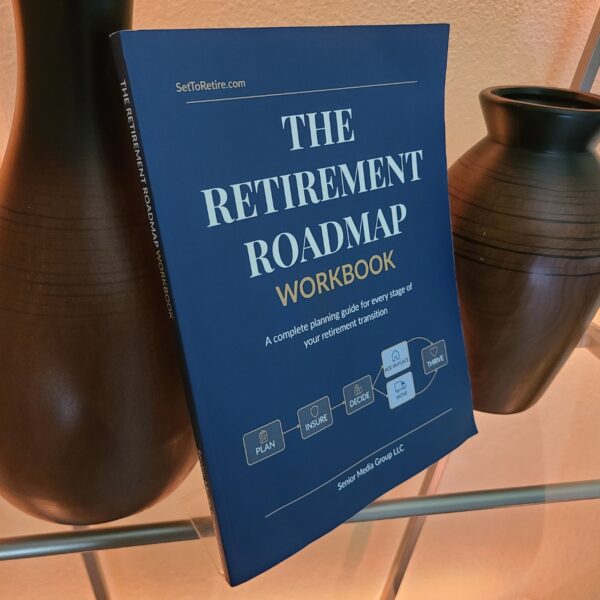
Turn This Checklist Into a Working Document
The Documents You Need worksheet in the Retirement Roadmap Workbook covers this same checklist plus nine more essential documents, with space to mark what you have, what’s in progress, and where each one is stored.
See the Workbook → $47 · 138 pages · softcover
Frequently Asked Questions
At what age should you do estate planning?
The honest answer is: earlier than most people think. Adults of any age with meaningful assets, dependents, or strong opinions about their own medical care should have at least a basic will and healthcare directive. For people in or approaching retirement, the full estate planning checklist for seniors becomes more urgent because the documents address both asset transfer and the possibility of incapacity. If you are in your 60s or 70s and have not done this yet, the right time to start is now, not after something forces the issue.
Which bank accounts avoid probate?
Bank accounts with a payable-on-death (POD) designation pass directly to the named beneficiary and bypass probate entirely. Joint accounts with right of survivorship also pass outside of probate to the surviving owner. Accounts held inside a funded revocable living trust bypass probate as well. Accounts with no beneficiary designation and held solely in your name are subject to probate and must go through the will. Reviewing how each of your accounts is titled is a key step in completing your estate plan.
Do I need a will or an estate plan?
A will is one component of an estate plan, not the whole thing. An estate plan is the full picture: will, trusts, powers of attorney, healthcare directives, beneficiary designations, and the organizational documents that help your executor manage everything. A will alone leaves gaps that the other documents are designed to fill. For most people in retirement or approaching it, a complete estate plan provides protections that a will by itself cannot.
📋 Free Download: Estate Planning Checklist for Seniors
Not sure where to start? Enter your email and we’ll send this checklist straight to your inbox.
Continue Reading: Estate Planning Guides
Content on SetToRetire.com is researched and drafted with AI assistance, then reviewed and edited for accuracy by the editorial team at Senior Media Group LLC. It is provided for general informational purposes only and does not constitute medical, legal, or financial advice. Consult a qualified attorney before making decisions. For more on how we create content, see our Editorial Process.